Can You Get a Personalized Song for Free?
A free personalized song is possible in some forms, but free does not always mean a complete song built around your own story. You might find a generic name song, make a recording yourself, or use a tool with limited free access. Check customization, export limits, and usage terms before choosing.
What does personalized mean in a free song?
The word can describe very different results.
One song may use a familiar name in an otherwise fixed recording. Another may accept a short text prompt and generate new audio. A third may let you record your own performance with free editing tools. None of these is automatically better for your recipient.
Decide whether you need their name, a shared memory, a particular mood, or a finished file you can keep. Read the actual description rather than judging only the word personalized. A name-based novelty can be fun, but it is different from a song shaped around the details of a relationship.
Are generic name songs useful gifts?
They can work as a playful extra when the name is available and the recipient enjoys that kind of humor.
Listen before giving one so you know the full content and how the name sounds. Check whether the recording is intended for personal use and whether downloading or sharing it is permitted. Do not describe a fixed song as written specifically about your recipient's life. Add a personal message if you want to explain the connection.
If the gift needs to express a particular memory or appreciation, a generic recording may not do enough on its own. Choose it for what it actually offers rather than what the label suggests.
Could you make a song yourself without paying?
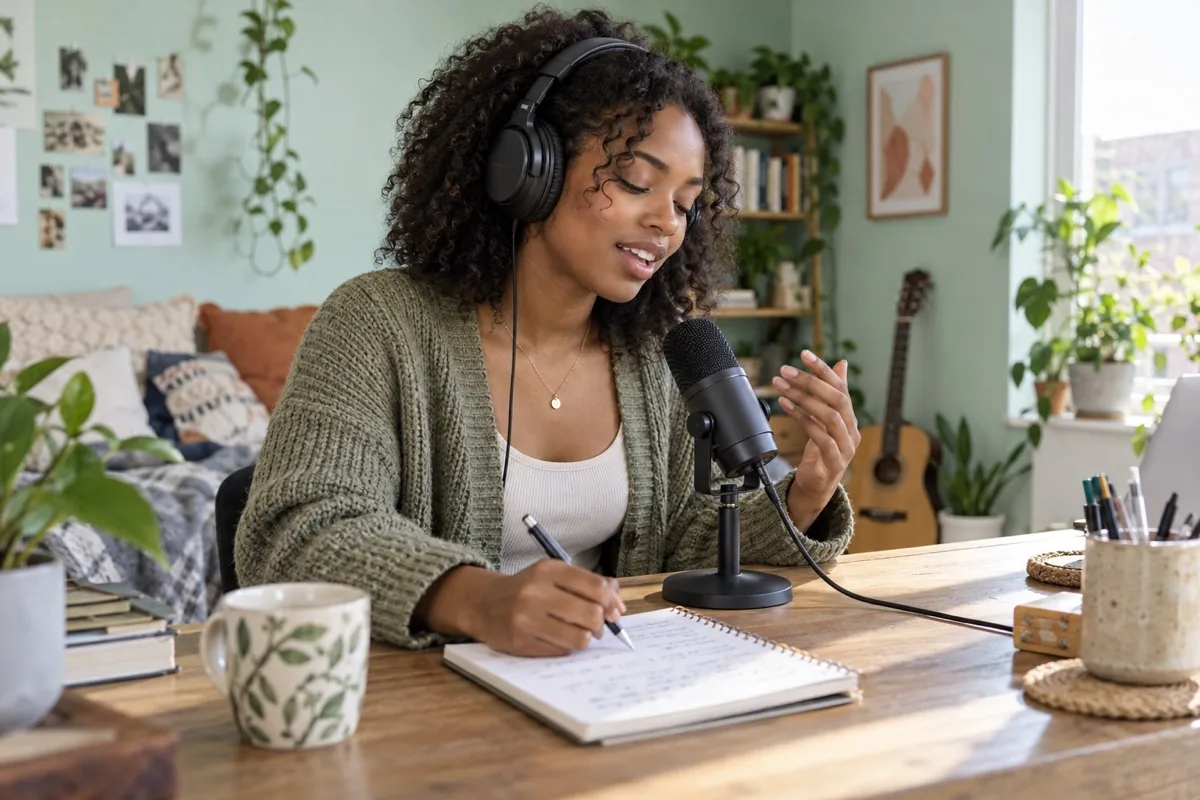
You can write a short original song, sing it into a recording app you already have, or ask someone you know to collaborate if they want to.
Keep the music and words your own, or use material you have permission to adapt and distribute. A simple performance can feel personal without studio production. Choose a quiet room, make a short test recording, and check that the voice is understandable. You may already have the tools, but the process still takes time and effort.
If singing feels uncomfortable, a spoken message with a personal note is another gift format rather than a failed attempt at a song.
What limits can free generation tools have?
A free tier may restrict the number of attempts, audio length, downloads, file quality, or permitted use.
Some tools require an account, and some change what is available over time. Check the current terms on the tool you actually plan to use. Do not assume a preview is a downloadable file or that generating something grants every possible sharing right.
You may need several attempts to get a mood or name right, so understand whether those attempts are included. Save only through supported export options. A free experiment can help you explore the idea, but it may not provide a complete gift-ready result.
How do you judge whether the result is good enough?
Listen to the whole song, not only an appealing opening.
Check the name, factual details, voice clarity, musical mood, and whether anything unexpected has been added. If lyrics are supplied, compare them with the audio rather than assuming they match. Play the exported file on another device if you can. Look for an ending that feels intentional and audio that remains understandable at ordinary volume.
A result can be simple and still enjoyable, but do not overlook errors because it cost nothing. Ask whether the recipient would feel recognized. That is a more useful test than whether the tool produced an impressive-looking preview.
When might paying for a song make sense?
Paying may be worthwhile when you want a more complete process, clearer deliverables, suitable examples, or support for a problem with the result.
Price alone does not guarantee quality, and a paid service should explain what is included. Check whether production uses people, AI, or both, and whether you are comfortable with that approach. Read delivery estimates, correction terms, access arrangements, and the applicable license. Compare the total cost with the kind of gift you need, including any optional visual files.
If a free option already meets your purpose and its terms work for you, there is no need to pay just for the label custom.
What should you check before giving any song?
Make sure the recipient can open the file or link without unexpected account requirements.
Give a brief message explaining who it is from and why you chose it. Confirm that the song contains only details you are comfortable sharing and that the delivery format suits the person. Do not post a recording publicly or use it in advertising without checking the relevant permissions.
Avoid promising that a free tool will remain available forever; keep an allowed local copy if the service offers one. A small, well-presented gift can be meaningful. Clear expectations and a usable file matter more than presenting the process as effortless or unlimited.
A useful comparison is to list the finished items you need, then check each option against that list.
For example, you may want an understandable name, one recognizable memory, a complete playable file, and permission for private sharing. A free tool might cover all of these, some of them, or none; a paid tool still needs checking. Include your own editing time in the decision without pretending it has a fixed monetary value.
If you only need a playful greeting, a simpler option may be enough. If you want a keepsake, file access and the accuracy of personal details deserve more attention.
Where does Wishly fit among free and paid options?
Wishly is preparing paid personalized AI song gifts rather than presenting every song as free. You can listen to examples and start a draft before deciding whether its planned packages suit you. Ordering is not open yet. Compare the actual personalization, files, and terms with the free or homemade options that meet your needs.
Last updated: