Gift Ideas for Someone Who Has Everything
A gift for someone who has everything does not have to compete with what they own. Focus on an experience, a favorite thing they can use up, helpful time, or a memory only you share. The best starting question is what they would enjoy receiving without adding clutter or obligations.
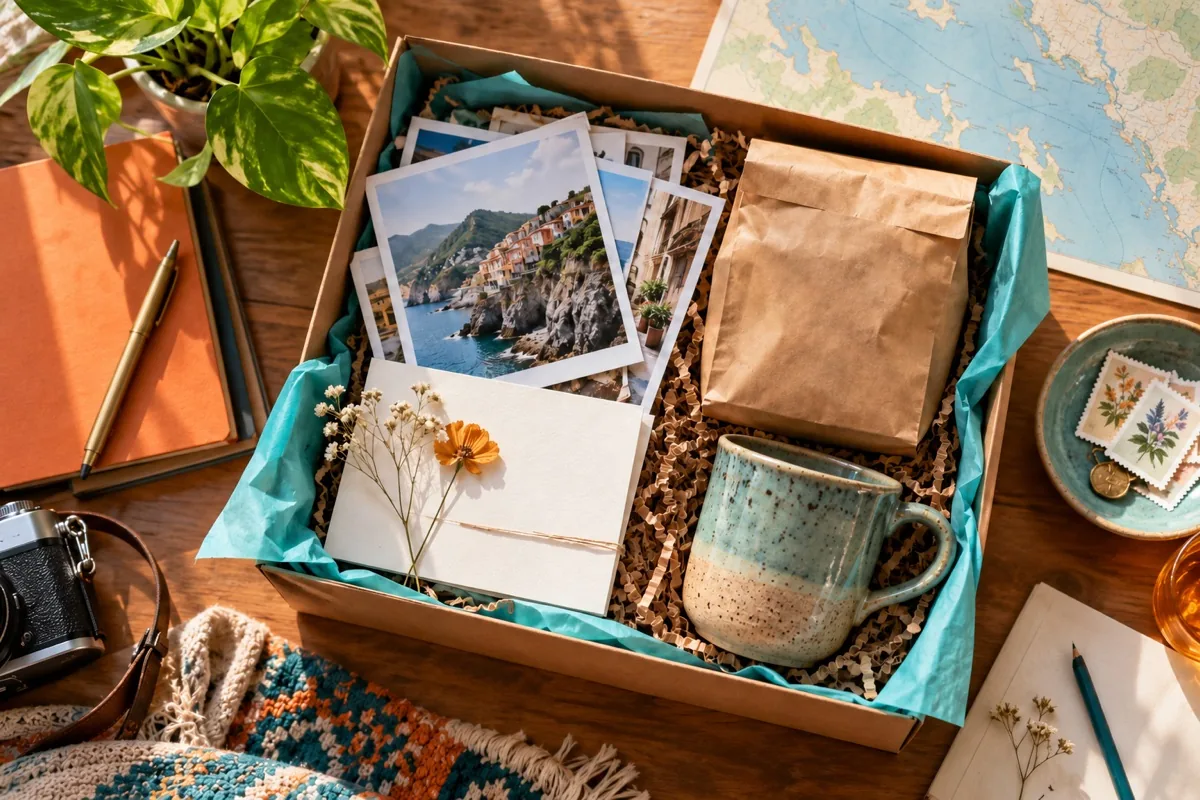
What does having everything actually mean?
Sometimes the person owns plenty of things.
Sometimes they buy what they need quickly, have limited space, or simply dislike receiving presents. Those are different situations. Notice which one applies before looking for a more unusual product. Ask about an experience they have been putting off, something they enjoy replenishing, or a small task they would appreciate help with.
Avoid assuming that a higher price will make the gift feel more personal. If they have explicitly asked for no gifts, respect that. A thoughtful message or time together can be appropriate without turning their boundary into a challenge to overcome.
Which experiences feel personal rather than generic?
Choose an activity connected to a conversation you remember: a cooking technique they want to learn, a local place they keep mentioning, or a performance by someone they enjoy.
Check actual availability and terms before presenting a booking as confirmed. If scheduling is uncertain, offer two possible plans and let them choose. A class should suit their interest and comfort, not create pressure to improve at a hobby. Think about transportation, company, and how much time the activity takes.
A complete, manageable plan is often more enjoyable than a voucher that requires research before it can be used.
Can an ordinary consumable be a distinctive gift?
Yes, when the selection shows that you paid attention.
Choose the coffee they already love, a food they associate with home, supplies for a hobby, or flowers in colors they prefer. Write a short note explaining the connection. Check ingredients, restrictions, storage, and delivery conditions where relevant. Keep quantities realistic: a huge selection can be wasteful for someone living alone or traveling often.
Do not start an auto-renewing subscription without agreement. Familiar favorites are not less thoughtful than novelty. The personal part is knowing what they will actually enjoy and making it convenient to enjoy it.
How can you give useful time without sounding patronizing?
Offer something specific and optional.
That might be help preparing a dinner, an afternoon sorting photographs together, or taking care of an agreed errand. Avoid a broad promise to do anything; it leaves the recipient deciding what to ask for and whether the offer was serious. Suggest a task they have mentioned and a date you can genuinely keep.
Do not reorganize their possessions or make appointments without permission. If you have a skill they want to learn, offer a relaxed session rather than turning the gift into instruction. Helpful time works when the recipient remains in control.
What makes a memory gift worth keeping?
Choose a small, meaningful set of material instead of printing every photograph you have.
A map of places you explored, a collection of notes from a trip, or a few labeled pictures can tell a clear story. Explain why a detail matters now. Avoid inventing captions or guessing dates to make the presentation look complete. Ask before including private messages or sensitive family information.
A memory gift can be funny or practical as well as emotional. Someone who dislikes display items may prefer a letter or digital file. Match the format to how they like to keep things.
Which gifts quietly create more work?
Consider maintenance, storage, setup, scheduling, and future charges before buying.
A plant requires care; a large object needs a home; a subscription adds decisions; a ticket may involve travel. None of these is automatically a bad gift, but the recipient should want the responsibility. Avoid using surprise as a reason to skip checking. Read cancellation and exchange terms, especially for personalized items.
If you cannot confirm a detail, say so instead of presenting the gift as a complete plan. The most original idea is not necessarily the easiest one to receive. Convenience belongs in your choice alongside creativity.
How do you make a small gift feel intentional?
Use the note to connect the gift with the person.
Mention the conversation that prompted it or the moment you wanted to recognize. You do not need an elaborate explanation of how difficult they are to shop for. Keep packaging proportionate and avoid requiring a public reaction. If your idea is time together, make the invitation easy to accept, decline, or adjust.
When the person has many possessions, attention can be the scarce ingredient. Show that you noticed an interest, a preference, or an ordinary joy, and choose a gift that supports it without demanding anything in return.
What if they truly do not want another present?
Accept the preference rather than searching for an exception they cannot refuse.
You can offer a meal together, a handwritten message, or a donation only if that aligns with their wishes. Ask before attaching their name to any contribution. A modest celebration can still communicate care. Respecting a stated boundary shows that you listened, which may matter more than finding a surprising object.
Try a receiving test before you commit: where will this go, when will it be used, and what must the person do next?
If the answers involve making space, learning an unwanted skill, or contacting a seller, reconsider the format. An experience may need a date agreed together; a keepsake may need a smaller size; a food gift may need fewer items. This check does not make the present less creative.
It helps you keep the part that feels personal while removing the work around it. Write the personal reason in one sentence, and let that sentence guide the final choice.
Could a Wishly song offer a different kind of gift?
Wishly is preparing AI songs based on a name, relationship, and shared memories. A specific story may suit someone who prefers personal gifts to more possessions. The examples show musical variety, and you can start a draft. Ordering stays closed, so treat it as an option to explore rather than a current purchase.
Last updated: